Timber Preservation

Timber Decay Specialists In The South West

Timber decay is a common issue in UK properties, often caused by excess moisture, poor waterproofing, or prolonged exposure to damp conditions. Timber decay affects properties of any age.

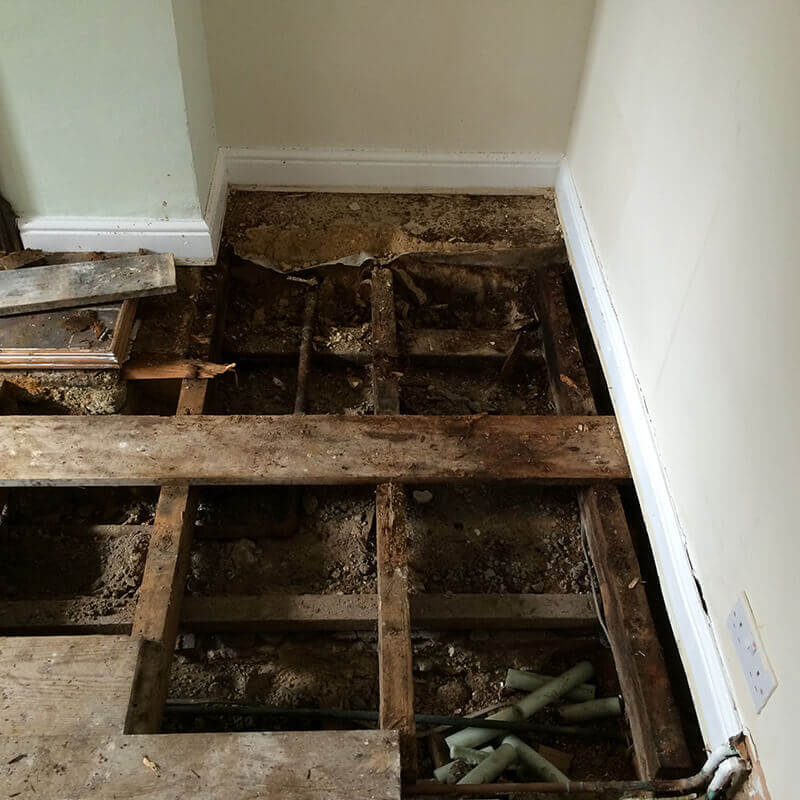
Signs of wood rot can include soft or crumbling wood, visible damage, and mould or fungal growth. Left untreated, it can lead to serious structural problems.

At Biocraft South West, our experienced timber decay specialists provide professional timber and damp surveys to identify the source of the problem and deliver effective and long-lasting treatment.

Contact our friendly, professional team today.

Our PCA accredited surveyors diagnose and treat woodrot before it causes permanent damage to your property.

External Property Inspections

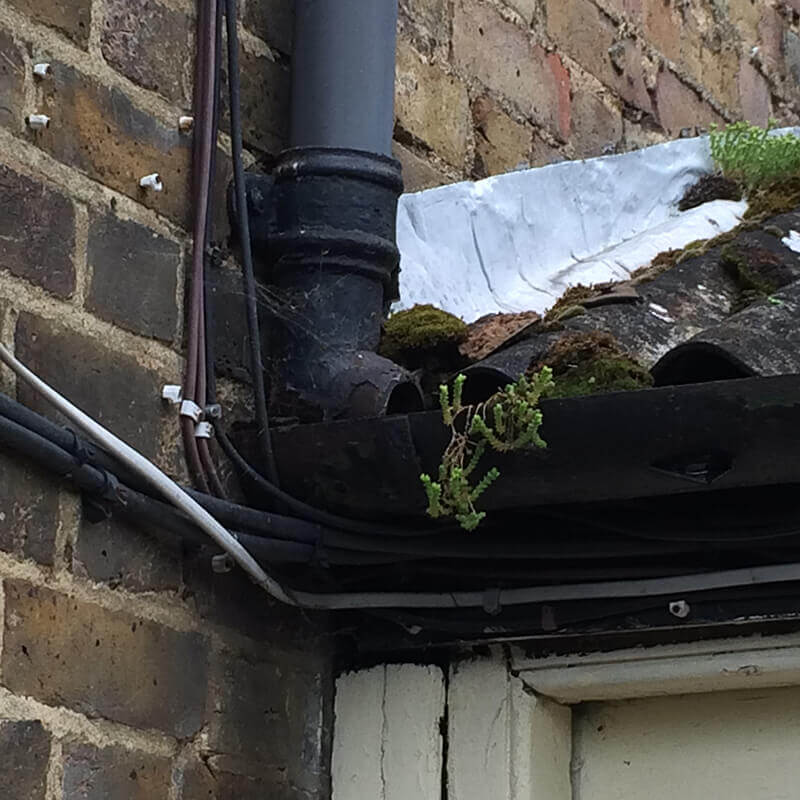
  • Blocked gutters and defective rainwater goods.
  • Defective surfacing to valley gutters and flat roofs.
  • Missing, broken, displaced or loose roofing tiles.
  • Faulty flashing, deterioration of mortar beds.
  • Faulty or missing damp proof course.
  • Bridging over the damp proof course by soil in flowerbeds, plinths, etc.
  • Cracked or broken water and/or waste pipes.
  • Defective weather proof seals around doors and windows.
  • Blocked air bricks.
  • Continuous overflow from cisterns and/or water tanks.

In addition to the above, it is important to look for evidence of internal sources of moisture, as these may not be visible from the outside.

Internal Property Inspections

  • Solid stone or concrete floors, where the impervious membrane is either punctured, of poor quality or missing entirely.
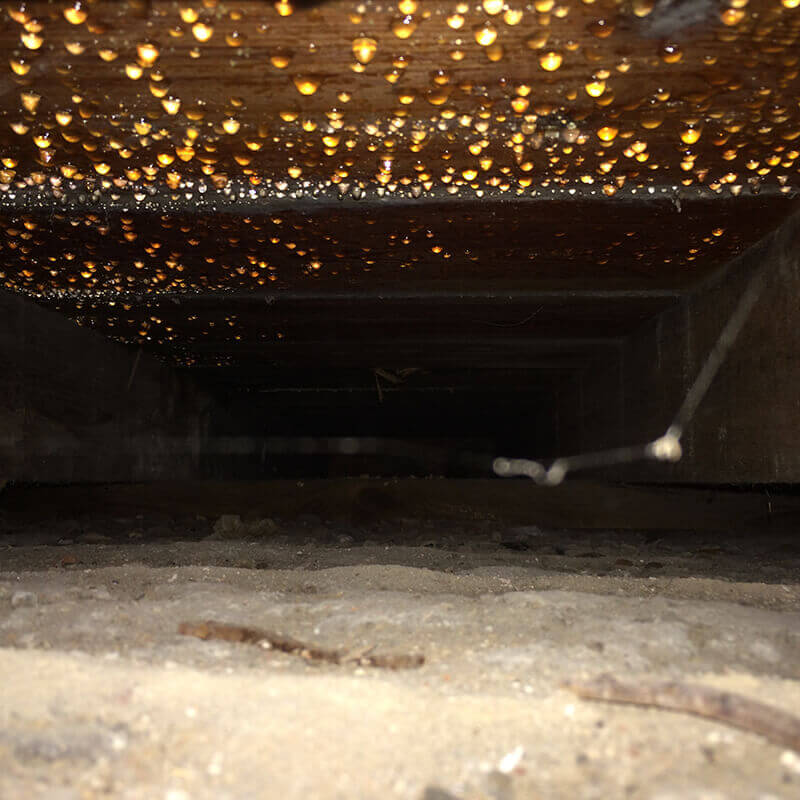
  • Condensation.
  • Trapping of flood water.
  • Defective plumbing, sanitary ware and utilities.
  • Impervious vinyl floor coverings over unventilated wooden floors.

Specialist timber surveys should be carried out by a qualified surveyor with a minimum of a CSRT (certificated surveyor in remedial treatments) qualification as required by the Property Care Association (PCA). All Biocraft South West surveyors have achieved the CSRT & CSSW qualification to carry out specialist timber surveys.

How To Identify Wood Destroying Fungi

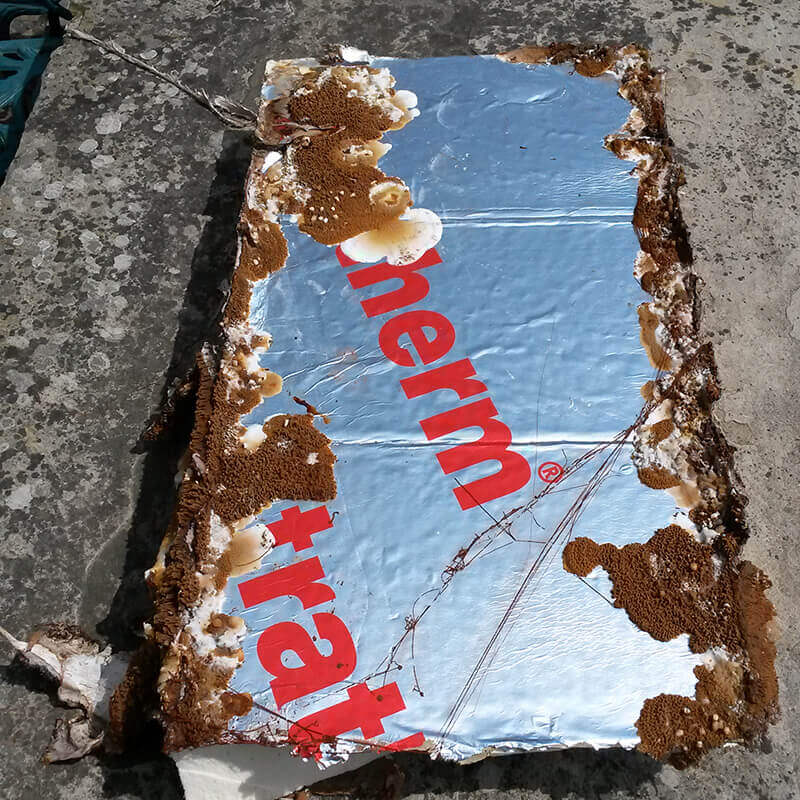
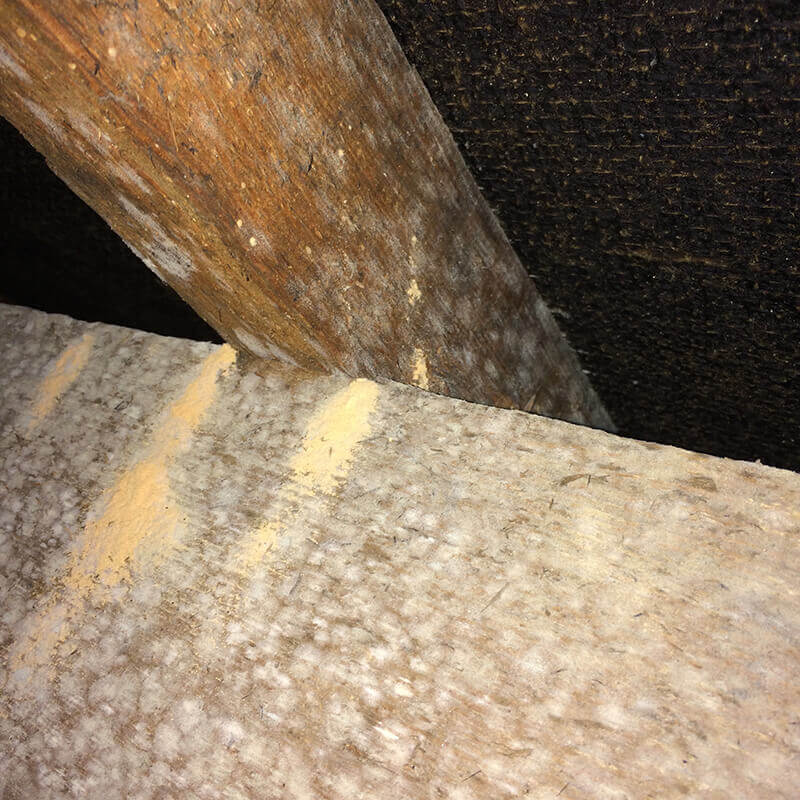
There are two main types of rot which can be identified by their colour and the way they affect the timber. Brown rot cause the timber to crack in a cube-like manner; the cubes vary in size depending on the timber and the type of rot present. The most common brown rots are Dry rot, Cellar fungus and Mine fungus.

“White” rots cause the timber to appear fibrous and much lighter in colour. The most common white rots are Phellinus Contiguus, Asterostroma spp and Donkioporia Expansa.

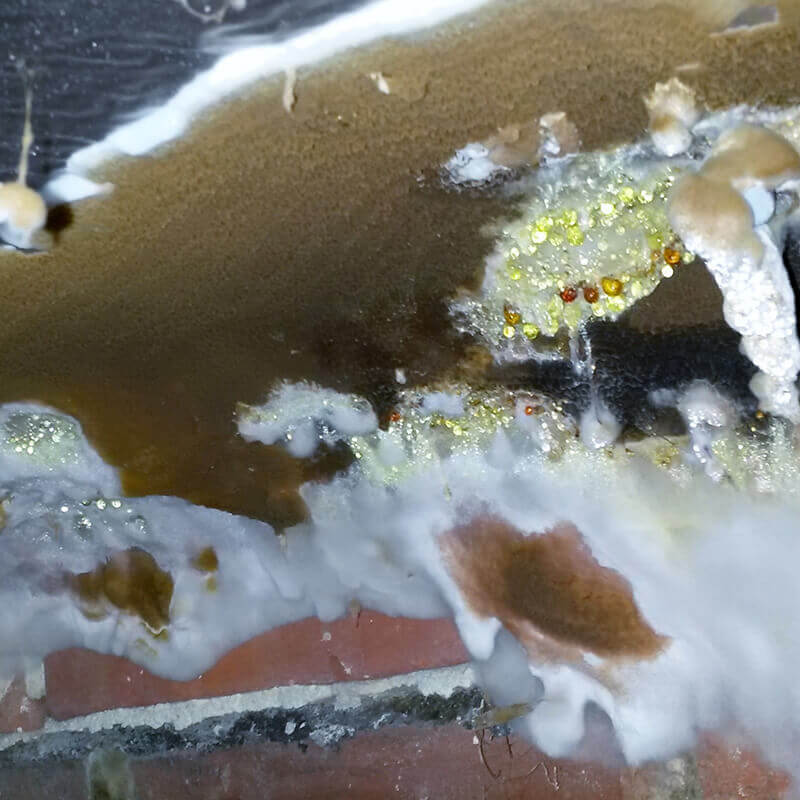
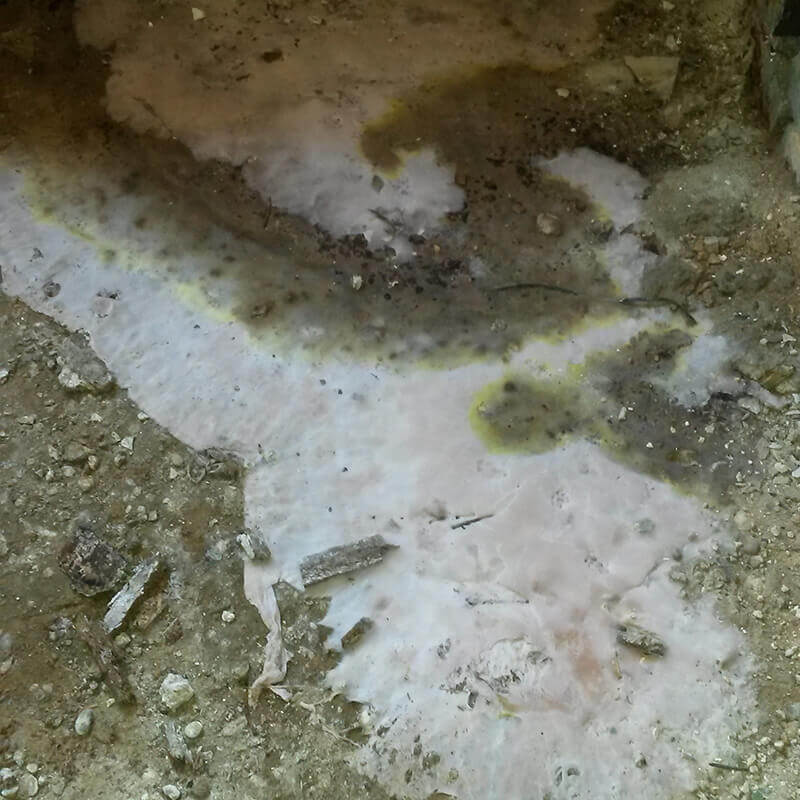
The most serious form of timber decay is dry rot, which is caused by the fungus Serpula Lacrymans. The successful eradication of dry rot requires carefully planned measures carried out by timber preservation specialists who use specially designed products which treat against insect and fungal attack. These products are formulated to treat at risk timbers that are prone to dampness, such as embedded joist ends, lintels, wall plates, rafters and timber panelling.

Biocraft South West’s operatives are well versed in industry standards and deliver exceptional results every time.

Woodworm and Wood Boring Insects In Your Property

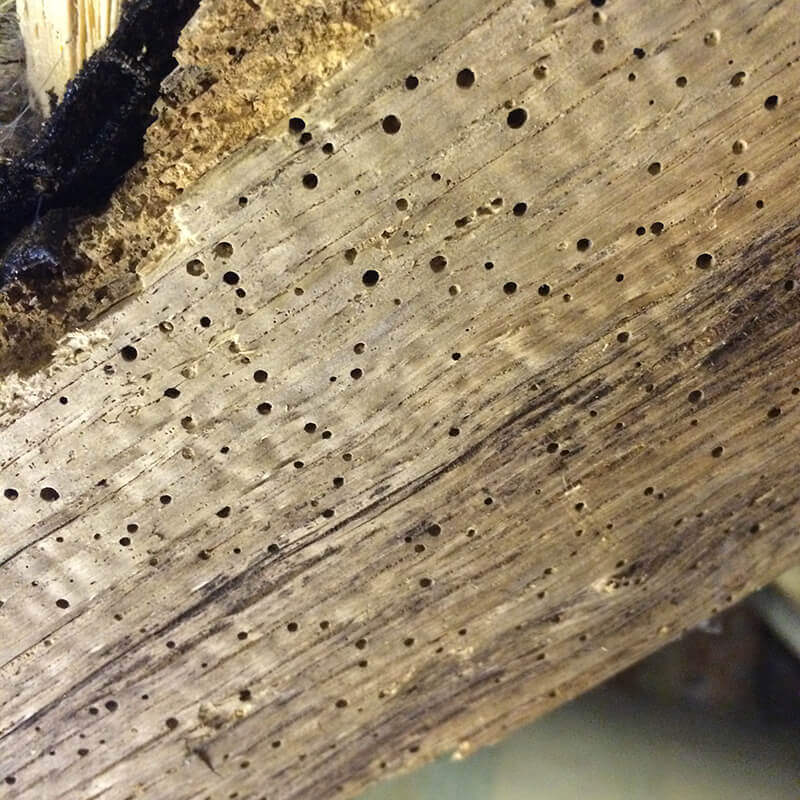
There are many types of insects that use wood as a habitat. Some insects are restricted to the forest, others can live in timber that has been felled and incorporated into the home. The most commonly known wood boring insect is known as woodworm.

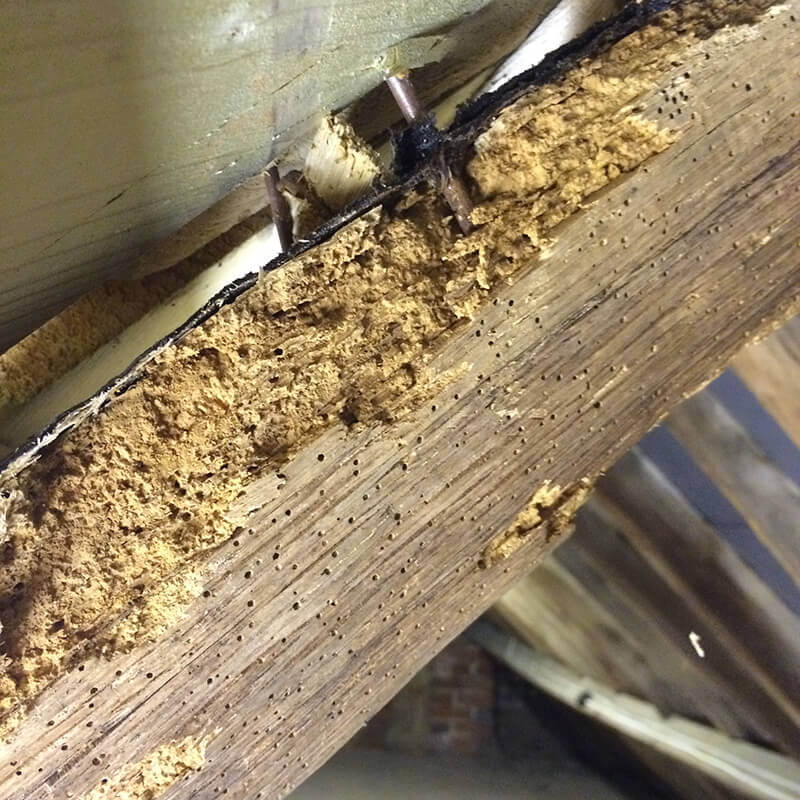
Woodworm is a general classification given to wood boring insects. One of the most recognised wood boring insect is the Common Furniture Beetle which is often found in structural timbers such as roofs, floors and joists. The continuous presence of wood boring insects can result in severe damage and can ultimately compromise the structural integrity of the building

Pre-purchase reports frequently call for woodworm surveys to be conducted and woodworm treatments carried out if required. A specialist timber survey should identify the type of infestation and recommend corrective action, such as treatment of the existing timbers with suitable preservatives, or the removal and replacement of decayed or infested timber.

To arrange a survey of your property or for further information regarding timber preservation contact us today. We cover Wiltshire, Somerset, Oxfordshire and Gloucestershire.