Damp and Timber Surveys

Professional Damp Surveys in the South West

Rising damp and penetrating damp are among the most common causes of property damage in UK homes. Left untreated, damp can lead to building defects, damaged plasterwork, and unsightly staining & black mould.

At Biocraft South West, we provide professional damp surveys across Bath, Bristol, Swindon and the wider South West. Our PCA-accredited surveyors accurately diagnose the cause of damp, helping homeowners and landlords avoid misdiagnosis and costly unecessary treatments.

Contact us today to arrange a damp survey and get expert recommendations for effective, long-lasting treatment.

Worried about damp? Book a professional damp survey today and discover the cause, before minor issues become costly repairs.

Why Are Damp Surveys Needed?

If a property is experiencing damp, then it needs to be rectified as soon as possible to prevent damage to the structure. Issues like damp always have an underlying cause, and that cause needs to be investigated.

If your property begins to experience symptoms consistent with rising damp or penetrating damp, wet rot or dry rot, then it’s vital to hire a professional surveyor who can investigate the issue and identify the best solution.

Signs of damp include:

  • Damp patches that appear on walls, particularly after rain.
  • Peeling paint and wallpaper
  • Salt deposits
  • Mould growth
  • Musty odours

When should I get damp or timber survey?

If your property is experiencing timber decay or damp then the best time to get a damp survey is as soon as possible. 

Left untreated, damp can cause significant damage, including structural defects & potential health risks. A professional damp survey performed by a PCA-accredited surveyor ensures this risk can be correctly mitigated – protecting you, your property, and any occupants.

What Happens During a Damp Survey?

During a damp survey with Biocraft South West, one of our certified surveyors conducts a detailed inspection of your property.

Close attention is paid to any areas where damp symptoms have been noticed, however, the survey can extend throughout the property to ensure no underlying issues are missed. Damp and timber decay can often remain hidden behind walls, within loft spaces, or beneath ground level in basements. A thorough investigation allows us to identify not only where damp is present, but also how it is affecting the property and where moisture is entering.

A full damp survey enables us to diagnose damp while also establishing the root cause of the problem and recommend the most suitable remedial treatment, helping to protect your property for the long term.

At Biocraft South West, we use high-quality tools and materials, ensuring damp is accurately diagnosed and effectively resolved.

Internal vs. External Damp Investigation

During a Damp & Timber survey, our surveyors carefully inspect various parts of your property.
This may include the following:

External Property Examinations

Moisture can enter buildings from a number of different avenues.

Therefore it’s an important part of any survey to assess the external surroundings and elevations of the property, as this can provide valuable information and aid in the correct diagnosis of the problem.

Biocraft South West’s specialist damp proofing surveyors carry out visual inspections of the exterior, paying close attention to areas such as:

  • Rainwater water goods
  • Chimneys and lead flashing
  • Brickwork, mortar beds and rendering
  • Location of the damp proof course
  • Elevated ground levels
  • Door and window frames
  • Roof coverings

Internal Property Examinations

Alongside an assessment of the exterior, our specialist damp proofing surveyors also pay dedicated attention to the internally affected areas.

Firstly, a visual assessment of the affected area and its surroundings will be carried out to identify the presence of:

  • Fungal decay affecting internal joinery and/or any other internal timbers
  • Peeling wallpaper and/or blistering paintwork
  • Efflorescence
  • Mould colonisation
  • Damp patches, condensate and/or water marks

After the visual inspection

Following this visual assessment further examinations of the internal conditions will be carried out. This inspection will include:

  • Moisture content of the skirting boards, architraves and door frames
  • Moisture content of structural flooring and roofing timbers
  • Distribution of moisture meter readings across the wall, both horizontally and vertically
  • Subfloor ventilation
  • Presence and height of both physical and chemical damp proof coursing
  • Potential plumbing defects
  • Ambient conditions, such as surface and air temperatures, relative humidity and dew point temperature
  • Suitability of heating and ventilation

What Equipment Is Used During A Damp Survey?

Biocraft South West’s surveyors are fully trained, CSRT and CSSW qualified so you have
peace of mind that your property will be dealt with by real experts.

Our specialist damp proofing surveyors have all the necessary equipment needed to carry out
an onsite diagnosis of the damp problem affecting your home.

Here are some of the most commonly used pieces of equipment you’ll see:

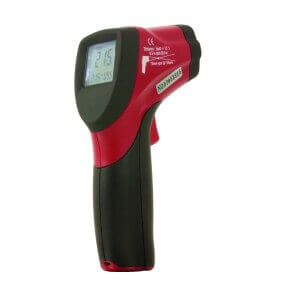
Infrared Surface Thermometer

This useful piece of equipment enables the surveyor to establish the temperature of a given surface and compare it to that of the dew point temperature, to determine whether surface condensation is the primary source of dampness.

This method of testing proves invaluable when assessing the ambient conditions of a property.

Conductivity meter testing for damp

Electrical Conductivity Meter

An electrical conductivity meter uses electrical resistance to provide an indication whether a wall may be damp or contain salts consistent with water ingress. A dry wall should have naturally higher electrical resistance as the materials are not conductive.

If a lower resistance is noted due to the presence of moisture or salts, then it indicates a damp issue within that area of wall. These meters may leave small pin prick holes – however, this is the most invasive a standard damp survey will be.

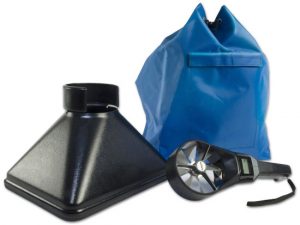
Rotating Anemometer

A rotating anemometer is used to determine the flow rate of existing extract fans and ventilation systems within properties.

This tool enables our specialist damp proofing surveyors to test the functionality of air rotation units and determine whether it positively attributes to the internal dampness.

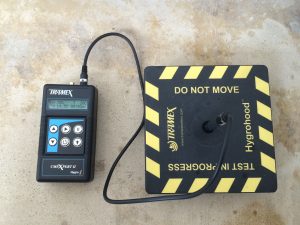
Hygrometer

A hygrometer is a handheld device which enables the specialist damp proofing surveyor to obtain on the spot readings of the ambient conditions within a given space, such as relative humidity, air temperature and dew point temperature.

It also proves an invaluable tool for assessing the moisture levels with solid concrete floors.

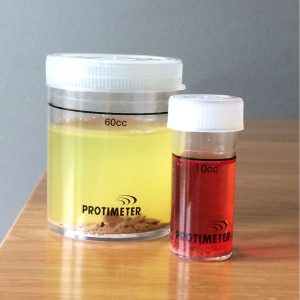
Salt Analysis

Salt analysis is carried out by removing a small sample of plaster or wallpaper from the wall surface. This enables our specialist damp proofing surveyors to test the sample for traces of chlorides and nitrates which are commonly found in ground water. This proves an effective aid in correctly diagnosing the source of moisture found present within the building.

Salt analysis is not always necessary, but can be useful when diagnosing issues damp caused by a issue with a building’s DPC.

We provide professional damp surveys and damp proofing solutions across Wiltshire, Somerset, Gloucestershire and Oxfordshire, including Bath, Bristol, Swindon and surrounding areas.

What happens after a damp survey?

After a damp survey is complete, you receive a full report of our findings within 10-14 days. The content of this report is driven by your requirements, for example, if the survey is for property you already own then you may only require a diagnosis and quotation. Alternatively, you may be seeking information and a more detailed report as part of purchasing or remortgaging a property.

Upon receiving this report, Biocraft South West are happy to answer questions and provide further clarification if needed. It’s important to us that customers are informed and aware of all options before they move forward.

Once timescales are agreed upon, we then proceed with repair and remedial works, with our CSRT and CSSW qualified engineers.

Why Choose Biocraft South West?

Detailed damp surveys with clear honest advice

Many moisture-related problems can present with very similar symptoms. For example:

  • Condensation is often mistaken for rising damp
  • Penetrating damp can resemble plumbing leaks
  • Salt contamination can continue to affect walls long after the original moisture source has been addressed
  • Multiple damp mechanisms can exist within the same property

At Biocraft South West, our surveys are designed to give you a clear understanding of what’s happening within your property, why it’s occurring, and what action, if any, is required.

We’ll explain our findings in straightforward terms, answer any questions you may have, and ensure you fully understand the condition of your property before any recommendations are made. By combining thorough investigation with open communication, we provide the information and confidence you need to make informed decisions about protecting your home.

CSRT & CSSW qualified, PCA-accredited surveyors

Professional damp surveys should be carried out by appropriately qualified surveyors.

All Biocraft South West surveyors hold CSRT and CSSW qualifications and operate in line with Property Care Association standards, ensuring surveys are carried out to recognised industry best practice.

Want to find out what our customers think? Visit our testimonials page. 

Contact our Damp Proofing Experts