
Spray Foam Insulation: Do You Need It Removed?
Spray foam insulation can cause complications when trying to remortgage, sell, or insure your property.
Often used as an alternative to fibreglass or mineral wool, spray foam is an effective insulator, particularly in hard-to-reach spaces. However, it carries a lot of risk for the timber beneath it – as whilst it stops moisture getting in, it also stops moisture getting out. With the wood being impossible to inspect, your property may be developing wet rot, dry rot, or damp, that won’t be spotted until it’s too late.
Many lenders won’t offer a mortgage on a property with spray foam insulation, and insurers often won’t cover a property unless it’s removed. If your home has SFI, or you think it might: here’s what you need to know.
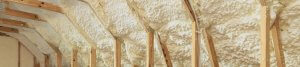
What is spray foam insulation?
Spray foam insulation (SFI) is a polyurethane-based expanding foam. It’s sprayed and then quickly expands, setting into a solid, airtight layer. As it sticks to wood and metal surfaces, and it’s effective at filling awkward gaps compared to other insulation materials, it’s historically been a popular choice for insulating irregular surfaces and tight spaces.
SFI has been used since the 1970s and has also been added retroactively to older buildings that lacked adequate insulation previously. Another used of spray foam insulation is to encapsulate asbestos – which is something to be aware of, particularly if you own an older property, as this may carry additional risks.
Why is spray foam insulation a problem?
There are two main concerns caused by spray foam insulation:
- It traps moisture.
If there’s damp in the timber already, or water gets in through the building exterior, the foam doesn’t allow it to escape. That can lead to wet rot, dry rot or penetrating damp which then causes further damage.
- It hides the timber
It’s impossible to inspect wood that has been sprayed with foam, so any damage can go unnoticed
These two properties create the perfect environment for problems to develop with the timber and the fabric of a structure whilst hiding any signs, until it becomes bad enough that it can no longer be ignored. Wet rot or dry rot in timber will eventually cause serious structural decay, and the repair costs can be in the thousands.
For this reason, lenders and insurers tend to be cautious. Many mortgage providers won’t lend on a home with SFI unless it’s been professional assessed and removed. Insurers, similarly, may only cover a property once there is proof steps have been taken to get rid of it.
How to check for spray foam insulation
It’s not always obvious what type of insulation has been used in a loft or attic space, as no two properties are built the same. SFI has been around since the 1970s and has also been added to older properties after they were built – so it’s worth checking even if your home is older than its introduction.
The easiest way to check is to take look at your roof or loft space. Spray foam typically appears yellow or white, with a bubbly cloud-like appearance, whilst being firm to the touch.
If you’re not sure about what type of insulation you have, please do not touch it with your bare hands. Other kinds of insulation, such as fibreglass wool, can cause irritation when touched or breathed in. Additionally, as SFI has been used to encapsulate asbestos, it’s generally safer to not disturb any insulation if you don’t know what it is.
In these instances, Biocraft South West’s team of certified surveyors can conduct a non-invasive survey to check what insulation you have, and whether it poses a hazard to the safety of your property.
Should I get spray foam insulation removed?
Not necessarily. SFI isn’t inherently dangerous, so if there’s no sign of damp or timber damage, you may be fine to leave it where it is.
However, there are a few circumstances where this answer changes:
- Remortgaging or selling.
A professional survey and removal are the best way to avoid delays or complications with your lender. - Insuring your property.
A non-invasive survey followed by removal lets the timber be fully inspected. Some insurers refuse cover for homes with SFI, or refuse a claim if the foam wasn’t disclosed, so removal is often the safest route. - Foam covering asbestos.
Our team works with asbestos specialists to make sure testing and removal are safe and compliant. This may be necessary if you are mortgaging, insuring, or renovating a property.
A certified SFI removal specialist, such as Biocraft South West, provides you with a certificate of removal once the job’s completed. By sharing that certificate with your mortgage provider or insurer, it confirms the foam has been safely removed, and any risk has been mitigated.
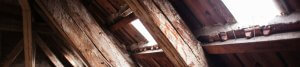
Choose Biocraft South West for spray foam insulation removal
Has SFI caused delays in selling your property? Or prevented you from getting insurance? At Biocraft South West, our team of PCA-accredited, property preservation specialists are here to help.
We experts at damp proofing, waterproofing and timber preservation across the South West, including Swindon, Bath, Bristol and Cheltenham.
Our experience feeds straight into our spray foam insulation removal service. Our expert team will talk you through your options, remove the foam safely and provide a full inspection afterwards to check the condition of timbers and building materials. We can also provide you with a certificate to verify that the spray foam insulation has been removed safely and in accordance with recommended guidelines.
All our surveyors also hold CSRT (Certificated Surveyor in Remedial Treatment) and CSSW (Certificated Surveyor in Structural Waterproofing) qualifications, ensuring all advice is professional and tailored to your property.