
Contact Us
Penetrating damp occurs when water enters a property through defects in the building fabric, such as faulty plumbing, damaged rainwater goods, cracked roof tiles, porous brickwork, or failed seals around doors and windows. Unlike rising damp, it can appear at any height in the building and often worsens during periods of heavy or prolonged rainfall.
It is commonly identified by damp patches after rain, staining or deterioration of plaster, black mould growth, musty odours, and moisture around windows, doors, or chimney breasts.
If left untreated, penetrating damp can lead to ongoing internal damage, decay of building materials, and recurring moisture problems that become more costly to resolve over time.
If you have concerns, Biocraft South West provides professional damp surveys across the South-West – ensuring sources of water ingress are accurately found. If you have questions, our friendly, professional team are always happy to provide advice.
Rainwater Penetration
This commonly occurs to walls which are exposed to the prevailing wind. Such dampness is generally most visible during or after periods of heavy rain.
External Defects
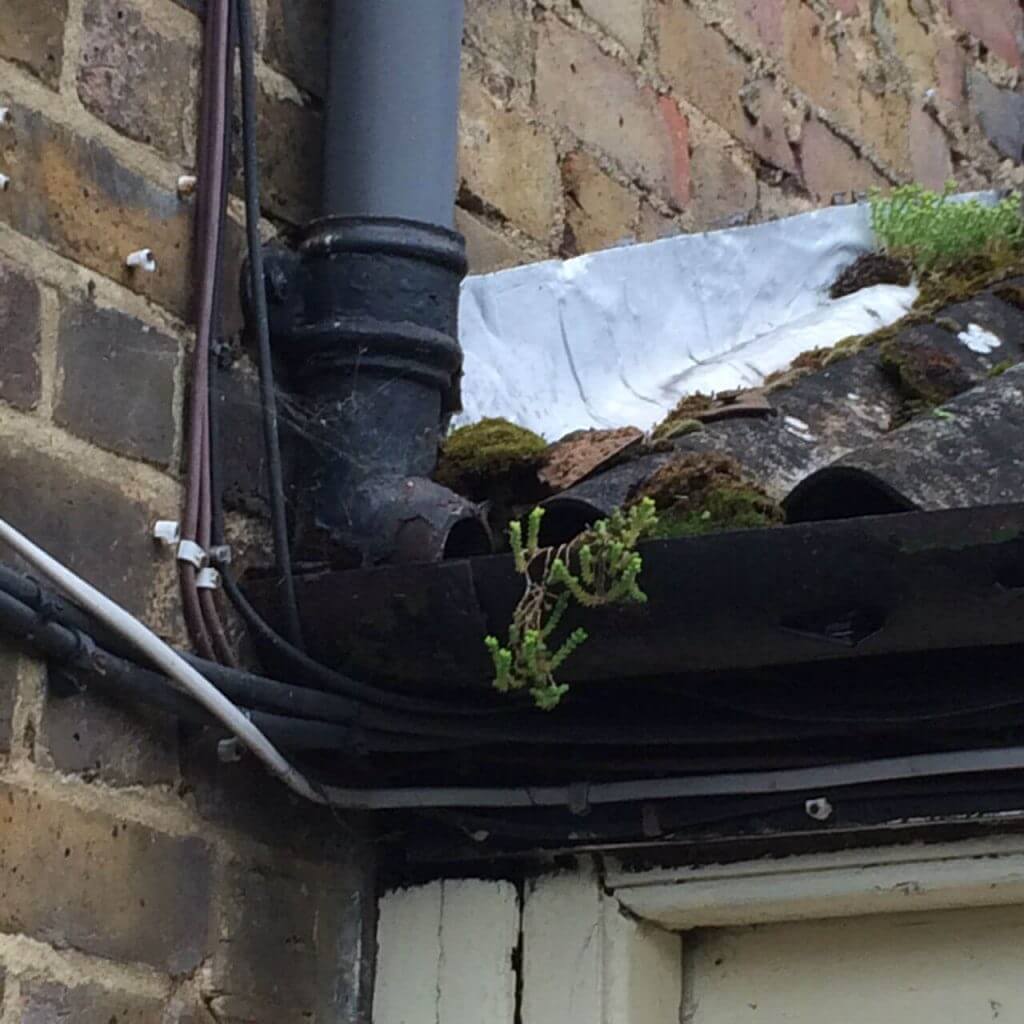
Faulty rainwater goods, such as gutters or downpipes, as well as defects to roof coverings, masonry work, pointing and external renders are also a common source of moisture ingress. Therefore an external inspection should be included during any investigation of dampness affecting external walls.
Lateral Penetration
This is where the internal floor level is below external ground level, i.e. the wall is wholly or partially earth retaining. Consequently, moisture from the ground will penetrate laterally into the walls unless isolated by a vertical damp proof membrane. In areas where the water table is high, lateral penetrating dampness may be aggravated by hydrostatic pressure.


Usually, penetrating damp can be easily overcome by simply identifying the source of water ingress and tracing it back to its origin; once located the appropriate methods of rectification can be carried out to prevent further deterioration.
To arrange a survey of your property or for further information regarding penetrating damp contact us today. We cover Wiltshire, Somerset, Oxfordshire and Gloucestershire.
Penetrating damp occurs when water enters a building from the outside, often through leaks, damaged gutters, roofs, or cracked walls.
Rising damp is caused by groundwater moving up through walls via capillary action, usually due to a defective or missing damp-proof course (DPC). The height and source of the damp help distinguish between the two.
Signs of penetrating damp include damp patches on walls, black mould growth, wet rot affecting wooden fixtures, algae or moss on exterior walls, and white salt deposits (efflorescence) on brickwork. Damp that appears higher than one metre from the floor, or that worsens after rain, is usually a sign of penetrating damp rather than rising damp.
Treatment focuses on stopping water ingress. This can include repairing roofs, gutters, windows, doors, and brickwork, applying waterproofing creams or membranes, and damp-proof replastering internally. External breathable water-repellent treatments can also prevent moisture from penetrating masonry.
Penetrating damp can be very serious if left untreated. It spreads through porous materials like brick, plaster, wallpaper, and insulation, potentially damaging structural components, wooden fixtures, and interior finishes. Left unchecked, it can lead to mould growth, spalling, and long-term structural issues.
Costs vary depending on the extent of damage, the affected area, and the severity of the damp. Simple treatments, like applying a waterproofing cream, may be relatively inexpensive, while more severe cases requiring repointing, structural repairs, and damp-proof replastering will cost more. A professional assessment provides an accurate, tailored quote.
In most cases, home insurance does not cover penetrating damp. This type of damp is usually the result of building defects or maintenance issues, which homeowners are expected to manage and prevent through regular upkeep.