
Why is it Important to Get a Professional Damp Survey?
When a property shows signs of damp, it’s tempting to tackle it yourself with shop-bought products, steady heating and extra ventilation. Unfortunately, visible damp is often a symptom of a much bigger problem within the fabric of the building.
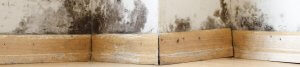
Treating what you can see can help slow the spread and prevent further cosmetic damage, such as peeling wallpaper, bubbling paint, cracking plaster or warped skirting boards – but what looks like a surface-level issue can run deep into the fabric of the building, and it won’t resolve until it’s properly diagnosed and fully treated.
This is because it’s hard to tell what kind of damp you’re dealing with until it’s been investigated. Different forms of damp such as penetrating damp, rising damp, or condensation have different causes and long-term consequences.
That’s why we always recommend an inspection by a professional, PCA-accredited surveyor, who can discover the true extent of the damp and how to resolve it for the long term.
It’s also worth busting a common myth: particularly with older UK properties, many people assume damp is inevitable. However, this isn’t the case. Regardless of property type, a damp survey followed by the right treatment can keep it safe, warm and protected from further water ingress.
Ready to book your damp survey? Contact the Biocraft South West team today.
What Does a Damp Survey Do?
A damp survey provides you, and your surveyor, a clear picture of exactly what your property is dealing with and consequently, how the issue that be rectified.
When carried out by specialists, such as the CSRT and CSSW certified team at Biocraft South West, the findings allow us to accurately scope the damp, assess how serious it is and estimate how long any repairs may take.
The reason it’s so effective is the combination of professional equipment, thorough internal and external examination, and years of hands-on experience. Spotting a damp problem is easy but diagnosing how far it has spread and where the moisture originates from takes a trained professional.
A survey also considers the overall condition of the building and any risks present. If the inside of a structure stays damp for too long, materials can weaken, leading to further issues such as timber decay (dry rot and wet rot).
And while damp can take weeks or months to show itself depending on the weather, a full written survey is delivered within 10–14 days of a visit, making it a proactive option if you have concerns about your property.
What Happens During a Damp Survey?
A damp survey is split into two parts: an internal and an external examination. These can happen in either order, but both are equally important. Together they make sure affected areas are carefully investigated, and the source of the damp is accurately identified.
Internally, we pay close attention to symptoms such as:
- Peeling wallpaper or paint
- Salt deposits
- Mould growth
- Musty odours
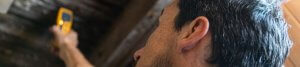
However, the signs aren’t always visible, particularly where damp may exist deeper within the building structure, which is where specialist equipment supports our investigations. Electrical conductivity meters and hygrometers let our surveyors check moisture levels in specific areas, whilst a rotating anemometer tests ventilation flow rate, showing whether moisture is being carried away effectively. This can be a problem in spaces without windows or other means of ventilation.
Externally, we inspect the outside of the property to identify potential sources of moisture, including:
- Rainwater goods
- Chimneys and lead flashing
- Brickwork, mortar beds and rendering
- Location of the damp-proof course
- Elevated ground levels
- Door and window frames
- Roof coverings
The source of moisture may not be external at all, as it could be down to poor ventilation or a plumbing leak. However, an external examination rules out any other culprits and flags potential future issues. Older homes tend to be renovated over the years, and it’s not uncommon for a DIY project to end up bridging the damp-proof course, letting damp into the property.
Once both examinations are complete, our team produces a written report detailing the findings, along with options for addressing the issue. Surveys can be carried out as part of the pre-purchase process or for existing homeowners. The information you need doesn’t differ, but we can tailor the level of detail, recommendations, timescales and quotation for remedial works to suit your situation.
Are damp surveys invasive?
Typically, no. A professional surveyor should be able to conduct a damp survey without doing anything overly invasive to your home. At times, a moisture meter that leaves pin pricks in a wall may need to be used – but most surveys can be completed without affecting your property.
However, there may be circumstances where an invasive survey is recommended. This would be in extreme circumstances where timbers need to be exposed to assess decay, or if floor structures need to be checked.
If you have concerns about an invasive survey, you can say no to this being performed. Be aware that this may affect the accuracy and available information in the final survey document.
What happens after a damp survey?
After receiving your finished survey document, you now have all you need to take the next steps. Your finished survey explains the type of damp affecting your property, where it’s coming from and which areas are affected; alongside this, you’ll receive clear recommendations for resolving the issue with a quotation for any remedial works, so you can plan with confidence.
If you’re buying, the report gives you solid ground for negotiating or deciding whether to proceed. If you already own the property, it gives you a clear roadmap for protecting it.
Either way, with this information in hand, you’re empowered to address damp sooner rather than later – giving it less chance to cause deeper damage, leading to costly structural repair.
Don’t Let Damp Settle In
Damp rarely fixes itself, and anti-mould spray is only a temporary solution to a long-lasting issue. A professional damp survey is the most reliable and consistent way to find out what’s happening, and what steps are needed to fix it long-term.
Ready to get answers? Book your survey with Biocraft South West damp experts today.