
“Can I build against my Damp Proof Course?”
How to protect your home during renovations.
When building your dream garden, conservatory, or patio,
it’s vital to protect your home from damp and water ingress.
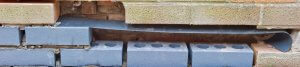
The Damp Proof Course (DPC) is a feature of your home that’s critical for preventing water and moisture being drawn into the fabric of your property.
Over the years, DPCs have varied. Older buildings may have bitumen felt or slate DPCs alongside engineering bricks, whilst newer builds tend to use plastic. Regardless of material, they are designed to be a physical barrier between moisture in the ground and the brickwork of your home.
Without a damp proof course, your entire home is at risk. Problems such as rising damp, penetrating damp, and wet rot or dry rot can quickly appear if the DPC fails or is somehow bypassed.
This is why you need to be incredibly careful when doing renovations on the outside of your home.
What does a Damp Proof Course do?
A DPC is a vital feature for maintaining the structural integrity of a building.
Bricks are porous and absorb moisture through capillary action. This means they need to be protected from moisture as much as possible. Typically, rain and general outside moisture levels are not enough to present an issue. However, water from the ground can pose a bigger issue if bricks are in direct contact.
For this reason, Damp Proof Courses have been included in buildings for well over a century. They provide an impermeable barrier between the foundational brickwork and the rest of the building’s structure – ensuring moisture cannot travel further into the property if the ground is wet.
Modern buildings typically use polyethylene (plastic) sheeting, as plastic is naturally waterproof and highly durable. It’s also not uncommon to see DPCs consisting of bitumen felt, or slate which each have their own benefits.
Do historical buildings have DPCs?
England has a high number of historical buildings. This means that many of these buildings were built prior to the introduction of DPCs (typically prior to the 1870s). For buildings like this, a lot of the work falls to damp management as opposed to prevention.
However, there are retroactive treatments (such as injecting a chemical mixture into the brickwork) that can create damp proofing where it previously didn’t exist.
I want to make renovations to my home:
will building up against my wall affect the DPC?
The short answer: Yes, if you don’t take the right precautions.
If building garden walls, patios, or a conservatory, for example – it’s vital to you do not breach the integrity of your Damp Proof Course. If new brick work or masonry is too high against your exterior wall, it will become a bridge for moisture, allowing it to bypass the DPC.
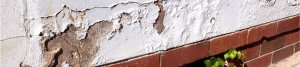
Once a DPC is bridged, it’s only a matter of time before moisture starts travelling into your property. During summer months, this may not be an issue, however, once the weather turns cold and wet, mitigating any moisture ingress will become an increasing difficulty.
This can lead to:
- Damp patches in your walls & skirting boards
- Bubbling paint or peeling wallpaper
- A musty smell
- Mould growth
- Potential damage to internal masonry and timber: potentially encouraging the development of wet rot or dry rot.
Once these issues develop, they can become incredibly expensive to fix, especially if they go untreated for a long period.
How do I protect my home from damp when renovating?
For each kind of project, there are different considerations to be made.
Typically speaking, you want to avoid building new masonry above the line of your DPC. Patios, for example, should sit at least 150mm below your DPC to prevent bridging. Depending on requirements (such as accessibility where a flush exit is required) this may not be possible, in which case there needs to be additional waterproofing/DPC installation to prevent bridging.
Similarly, any sort of wall – whether that’s a decorative garden wall, or wall for a new structure – should include damp proofing measures if they are going to connect to the exterior wall of your property.
It’s for this reason, we highly recommend hiring a professional regarding these projects, as opposed to a DIY approach.
What if I don’t have damp proofing on a completed DIY or Renovation?
If you’ve done a DIY project and haven’t implemented DPC protection or waterproofing measures, or have purchased a property with these issues, there are a few ways forward:
- Add these retroactively with the assistance of a damp-proofing specialist
- Demolish the structure and start again.
For a wall or patio, demolishing and rebuilding may be more cost-effective – but for larger structures such as a conservatory, adding damp-proofing or a chemical DPC may be the best way forward.
Speak to our damp proofing experts
It’s not always clear what the best option is when you’re considering renovations, or you have renovations that may potentially be causing a damp issue.
If you have concerns, our team of damp proofing experts are here to help.
At Biocraft South West, we’re one of the leading damp experts across Bath, Bristol, Swindon and Gloucester. Whether it’s a damp survey or damp proofing treatment, we ensure accurate advice & professional solutions.
Contact our team to discuss your concerns.