
How To Treat Damp In Your Skirting Boards
As a country with famously wet weather, it’s not surprising that damp is a common concern for UK homeowners. Despite modern building regulations and regular maintenance, damp still occurs in many properties. One of the most recognisable forms is rising damp, which typically shows itself along the base of interior walls. You’ll first notice discolouration, peeling paint, or tide marks creeping up from the skirting boards – a tell-tale sign that moisture is being drawn upwards from the ground.
Spotting a damp patch early is crucial. What may look like a small, darkened area near the floor can signal a larger underlying issue with your home’s waterproofing. Rising damp occurs when moisture travels upwards through porous building materials, gradually affecting plaster, paintwork, and even structural elements. When untreated, rising damp leads to costly internal damage, creates an inviting environment for woodworm, and causes ongoing maintenance problems.
Acting quickly to diagnose and resolve the root cause is the most effective way to protect your home. With the correct steps, you can identify the issue and make sure you’re taking the right steps to stop it before it spreads.
How To Diagnose Your Damp Problem
Damp typically presents in a way that’s hard to miss. When it comes to rising damp, common symptoms include:
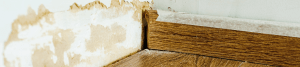
- Skirting boards warping: modern skirting boards are often made from MDF, which is susceptible to warping when exposed to moisture.This means when there’s damp, they warp and come away from the wall.
- ‘Tide marks’ on the wall: this happens due to capillary action, meaning the structure of a property acts like a straw, sucking the water out of the ground.
- Peeling paint, or bubbling wallpaper: moisture trapped behind paint or wallpaper degrades adhesive, or create air bubbles, which causes paint or wallpaper to flake or peel.
- Mould growth: if the damp problem has persisted for a while, black mould may appear on your skirting boards or wall. In small amounts black mould is not dangerous, but you should still exercise caution if you have young children, elderly adults, or people with respiratory conditions within the property.
The fastest way to figure out what damp issue you have and where it’s coming from is to book a damp survey with a qualified surveyor.
At Biocraft South West, we have our own dedicated team of PCA accredited surveyors – all with CSRT (Certified Surveyor in Remedial Treatments) and CSSW (Certified Surveyor in Structural Waterproofing) qualifications. With a damp survey from us, you receive a comprehensive inspection of the interior and exterior of your property – meaning you’re left confident the issue is fully diagnosed and able to be repaired.
In the meantime, it’s possible to check for hints of water ingress by checking yourself. Check for blocked drains, broken bricks, cracked render, or spots where an existing damp proof course (the plastic, bitumen, or slate barrier that acts as a moisture barrier between a building and the wet ground) has either been damaged or bridged.
If you’re able to spot a potential cause, this can greatly speed up the process of having your damp issue resolved.
When damp spots appear higher up a wall or on the ceiling, this is more likely to be penetrating damp. Like rising damp, this needs to be inspected to figure out what’s causing it to happen. Often, it is a leak, or water ingress due to broken brickwork or defective rainwater goods.
Regardless of the issue you’re having, a professional surveyor will find out the cause and offer remedial action.
Treating the damp in your skirting boards
The most effective method to resolve the damp is to fix the problem at its root. However, when waiting for remedial work to treat damp in your home, there are a few steps you can take to prevent further damage to your property.
Firstly, make sure there’s adequate ventilation and airflow through your property. This means opening windows, vents, or doors to allow airflow from another room. Cycling fresh air into a room prevents high humidity, which damages paint and wallpaper, and causes mould growth.
Warmth is also a good way to keep damp at bay, as this dries out some of the moisture and discourages the growth of mould.
If damp causes your skirting boards to warp, it’s difficult to resolve this without first solving the initial problem, otherwise the dampness will return. For a short term fix, you can use counter-sunk screws into the wall behind the skirting board to assist with the warping by pulling the skirting board flush to the wall, but if the wall is also degrading this is not an effective long-term solution.
If it’s an option – first solve the damp issue, then replace your skirting boards with new that are made from treated timber.
What To Do If There’s Damp In Your Skirting Boards
First of all: don’t panic.
Damp problems are concerning, but when caught early enough, are easily managed.
Make sure you give enough airflow and keep the room warm enough to alleviate the symptoms of the damp. If there’s mould, sprays and disinfectants can temporarily remove mould to improve appearance.
The most important step is to contact a Property Care Association (PCA) accredited surveyor to organise a damp survey. From there, their expertise will advise on next steps.
If you’re looking to get a damp problem investigated or resolved, our team at Biocraft South West can help. If you have any questions or queries, please get in touch – we’re always happy to help.