
Unexpected Causes Of Damp and Condensation In Your Home
Finding damp and excess condensation in your home is always an unexpected and unwelcome surprise. Fortunately, these issues have a few common causes that are easy to diagnose – whether that’s rising damp through a blocked damp proof course, or excess condensation through poor ventilation… But did you know there are a few unexpected ways for these problems to occur?
When purchasing a property, or making improvements to one you already own, stay aware of these lesser-considered causes. Issues with damp or condensation lead to further issues within your home. For example, excess moisture will cause mould, and also creates an inviting environment for woodworm.
If you have questions or worries – the best thing to do is contact a qualified surveyor who can provide you with the advice you need. Here at Biocraft South West, we offer dedicated damp surveys so you have peace of mind about what’s causing your damp problem, and how it can be fixed.
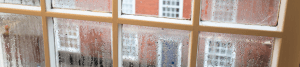
Lack of airflow from windows
Having old windows is a known reason for condensation and moisture build up. A single-glaze window lacks an insulating air gap, meaning that the cold from outside is directly contacting the warm air inside through the windowpane, creating condensation which leads into excess moisture inside your home.
But what you may not know is that your older double glazing can also be the reason for excess moisture. Means for ‘passive background ventilation’ are part of building regulations and have been since 2002. Windows installed in a property must contain a trickle vent or there must be another form of ventilation within a space to prevent build-up of moisture.
What this all means is that if your home or windows are from before 2002, then they will have not been built or installed with these regulations in place. If you live in an older property, it’s worth checking your windows to see if they have trickle vents, if there is no other ventilation in the same room.
Replacing your windows would be the ideal solution in this scenario but this is – understandably – a very costly solution. If replacing your windows isn’t viable, we recommend implementing lüften into your daily routine: Opening your windows for a few minutes twice a day to allow air to circulate.
By increasing air flow within your home, you help ease the symptoms of excess moisture, condensation, and damp. However be aware that if this doesn’t resolve the issue – then there may be another issue deeper within your property that needs addressing.
Builders avoiding regulations
There are many building regulations in place that mean your home (particularly if it was built in the last 25 years) should have adequate ventilation. However, through the power of social media, it’s apparent that many builders do not stick to legislation and produce homes with subpar adherence to these rules.
When building a property, features such as a damp proof course, air bricks, and weep vents, amongst other sources of ventilation must be included as it is legally required. Without these, air cannot circulate around a building and moisture cannot escape. Over time, this manifests as rising or penetrating damp – with dangerous implications for your home.
A particular stand out is the number of builders forgetting or actively avoiding the installation of weep vents in the brickwork of a property. Weep vents have been commonly included in housing for the last few decades but became legislation in 2010.
Weep vents are not a difficult inclusion and are easy to install as the brickwork is laid. However, many builders neglect to install these, then fake the effect by cutting the weep vent short, scraping out some mortar, and fitting it into the gap.
These fake weep vents do not provide any ventilation. Whilst this may not be an immediate problem, over time the lack of air flow and inability to allow moisture to escape manifests as a damp issue – resulting in costly repair.
Other builder errors can include housing extensions, patios or other structures damaging or bridging the damp proof course. The DPC is a vital bit of waterproofing that ensures moisture cannot rise from the ground into the building, and it must be carefully considered whenever any structural changes or additions are made.
If the damp proofing or ventilation of your home is compromised, we recommend using a qualified surveyor to investigate your property for any issues.
Damaged or blocked guttering
A part of your property often overlooked is the guttering and downpipes. These parts of a building are essential for ensuring rainwater is safely taken away from the building.
Like many parts of your home, these need maintenance to ensure they’re working as intended. During the autumn and winter months, guttering must be cleared of leaves and debris – a blockage leads to water overflowing which then seeps into the brickwork. This leads to internal damp patches that eventually lead to deeper structural issues.
Similarly, you must ensure that guttering or downpipes are not damaged. Cracks or breaks in these areas allow water to escape – and like a blocked pipe – let water to seep into brickwork and other parts of the building.
We recommend clearing and inspecting the guttering at least once a year to make sure there aren’t any issues. Many people forget about them as they’re high up and not easily accessible – but it’s an easy win in protecting your property. When you have this work done around the roof of your property, hire a professional to reduce the risk of injury.

When To Worry About Damp
It’s important to remember that developing a damp problem within your home is statistically unlikely: roughly 5% of homes in total have a problem with damp. However, that doesn’t mean you shouldn’t be careful.
Whilst the causes of damp in this blog are a few ‘less expected’ ways, there are many other ways damp happens – so ensure your home gets adequate ventilation, and that you keep up on regular maintenance to ensure these problems don’t appear. If a problem does appear, Biocraft South West is here to help with our dedicated team of waterproofing and damp treating experts.
If you have any questions or queries regarding damp or it’s causes, please contact us. We can help you with surveys to investigate a damp or water ingress problem and provide remedial treatment to fix the root cause. Our friendly, professional team are always happy to help.